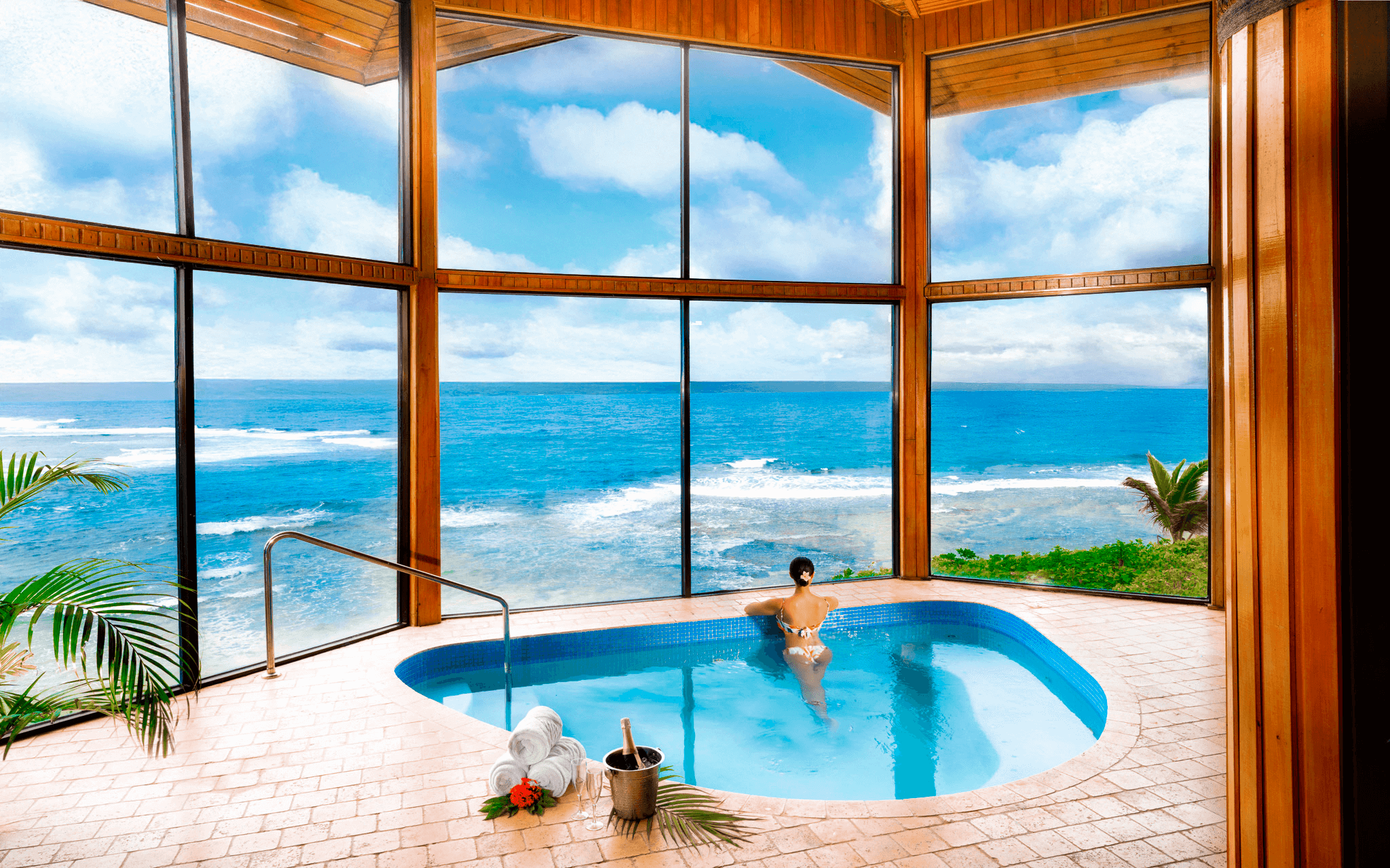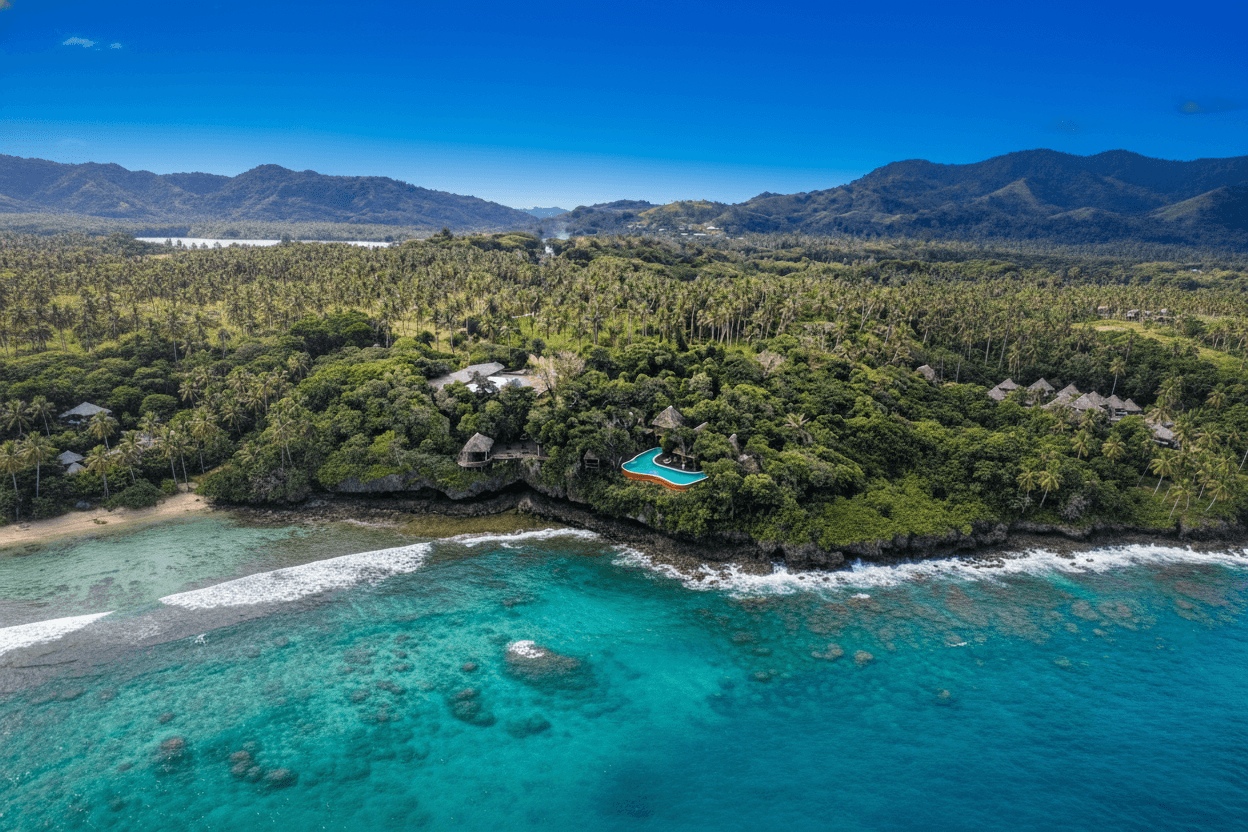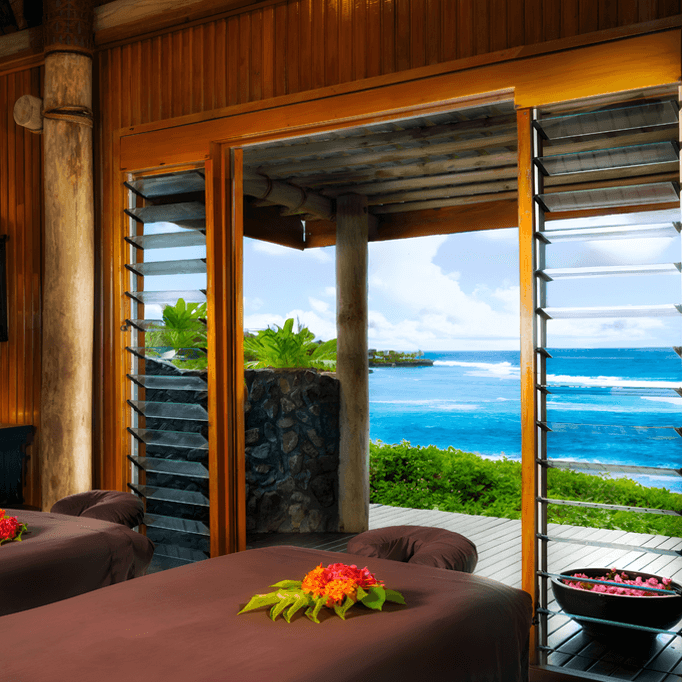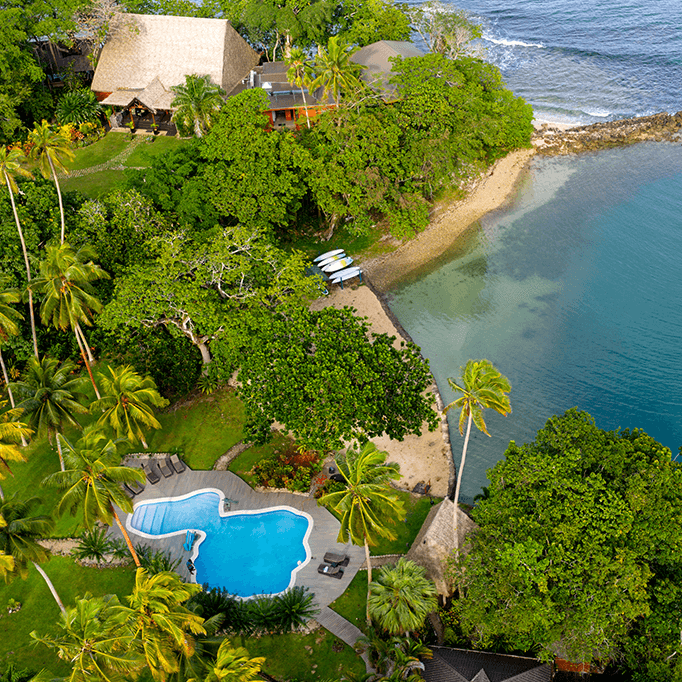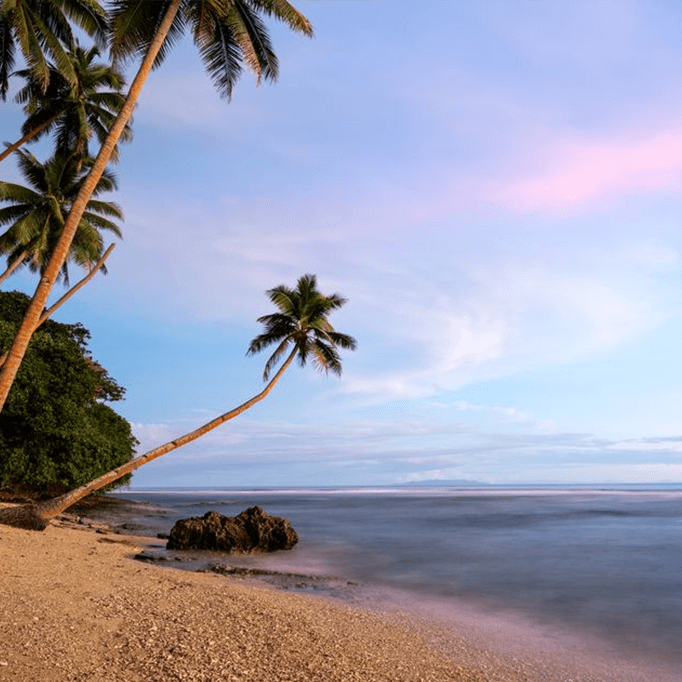
Fiji’s adults-only resorts promise something rare: privacy, romance, and a sense of complete escape. Places like Namale Resort & Spa are designed to feel far removed from everyday life, where couples can unwind in seclusion and indulge in a slower, more intimate pace. But there’s an important distinction travelers need to understand from the outset: an adults-only setting does not imply relaxed rules, especially when it comes to drugs.
In reality, Fiji maintains strict legal controls around illegal substances. Visitors who assume that a luxury environment translates into personal freedom or leniency can quickly find themselves facing serious legal consequences. Understanding that contrast is essential before you even pack your bags.

What “adults-only” actually means in Fiji hospitality
In the context of Fiji tourism, “adults-only” is a hospitality concept, not a legal gray zone. It refers to curated experiences designed for mature guests: quiet beaches, private villas, couples’ spa treatments, and an emphasis on tranquility rather than nightlife or partying.
At resorts like Namale, the positioning is clear. The brand focuses on romance, wellness, and exclusivity, not on permissive behavior or anything resembling a party destination. There’s no implication, explicit or subtle, that guests are free to ignore local laws.
This distinction matters because some travelers subconsciously associate “adults-only” with fewer restrictions. In Fiji, that assumption simply does not hold. Resort branding enhances the guest experience, but it does not override national law.
The core legal reality: illegal means illegal
Fiji’s stance on drugs is straightforward and strict. Illegal substances remain illegal regardless of context, quantity, or intent.
Travel advisories from multiple governments emphasize this point clearly:
- Possession of even small amounts of illegal drugs can lead to fines and imprisonment
- The UK government notes that possession of any amount of marijuana can result in a prison sentence
- Australia’s Smartraveller warns that any quantity of illegal drugs may lead to jail time
There is no meaningful distinction between “personal use” and other forms of possession in the way some travelers might expect from more lenient jurisdictions. Even minimal quantities can trigger legal action.
Why travelers get this wrong
The misunderstanding often comes from mindset, not misinformation.
Travelers tend to associate island destinations with relaxation, freedom, and a laid-back atmosphere. Add in a luxury resort and an adults-only label, and it’s easy to unconsciously assume that rules are softer, or at least more flexible.
But drug laws operate independently from the “vibe” of a destination. Fiji’s beaches may feel remote and liberating, yet the legal framework remains firm and consistently enforced.
Another factor is the global shift toward decriminalization or legalization in places like parts of North America and Europe. Travelers accustomed to those environments may carry their expectations abroad, assuming similar tolerance elsewhere. In Fiji, that assumption can be a costly mistake.
Enforcement matters more than traveler intent
One of the most important practical points is this: intent does not override the law.
Being a tourist does not provide leniency. Being discreet does not reduce risk. Carrying only a small amount does not make possession acceptable.
Local authorities are not obligated to interpret casual use as harmless simply because it might be viewed that way in another country. Enforcement is based on local legislation, not on a visitor’s background or assumptions.
This is not about fear, it’s about clarity. Travelers who understand this dynamic are far less likely to encounter problems.
Fiji’s policy discussion is not the same as tourist permission
There is nuance in Fiji’s broader policy landscape, but it is often misunderstood.
In recent years, Fiji has explored the possibility of developing a medicinal cannabis industry for export, with discussions around regulation, feasibility, and economic potential. These conversations can sometimes create the impression that the country is moving toward broader acceptance.
However, this is a critical distinction: Policy exploration does not equal present-day legality for recreational use. Tourists should not interpret these developments as permission, availability, or tolerance on the ground. Recreational drug use remains illegal, and enforcement continues accordingly.
This is also where confusion around cannabis-derived compounds can arise. For example, terpenes, aromatic compounds found in many plants, including cannabis, are widely used in wellness, fragrance, and flavor products. While terpenes themselves are not inherently illegal, their association with cannabis products can lead to misunderstandings, particularly when traveling across borders.
The key takeaway for travelers is simple: even if a compound seems benign, the product it appears in may still be subject to stricter scrutiny under local law.

Practical advice for travelers who want to avoid problems
Avoiding legal trouble in Fiji is not complicated; it just requires awareness and discipline:
- Do not bring illegal drugs into the country under any circumstances
- Do not assume resort staff can “handle” or overlook issues
- Do not rely on hearsay from other travelers about what is “safe.”
- Check official government travel advice before departure
- Review your medications and products carefully, including prescriptions, supplements, and anything that could be questioned at customs
When in doubt, err on the side of caution. Crossing international borders always involves different legal standards, and Fiji is no exception.
Conclusion
Fiji’s adults-only luxury appeal is undeniable. It offers privacy, beauty, and a deeply relaxing environment that feels worlds away from everyday life. But that experience exists within a clearly defined legal framework.
Understanding the difference between hospitality branding and national law is essential. “Adults-only” speaks to atmosphere, not to legal flexibility.
Enjoy the romance, the seclusion, and the natural beauty Fiji has to offer, but don’t mistake exclusivity for permission.